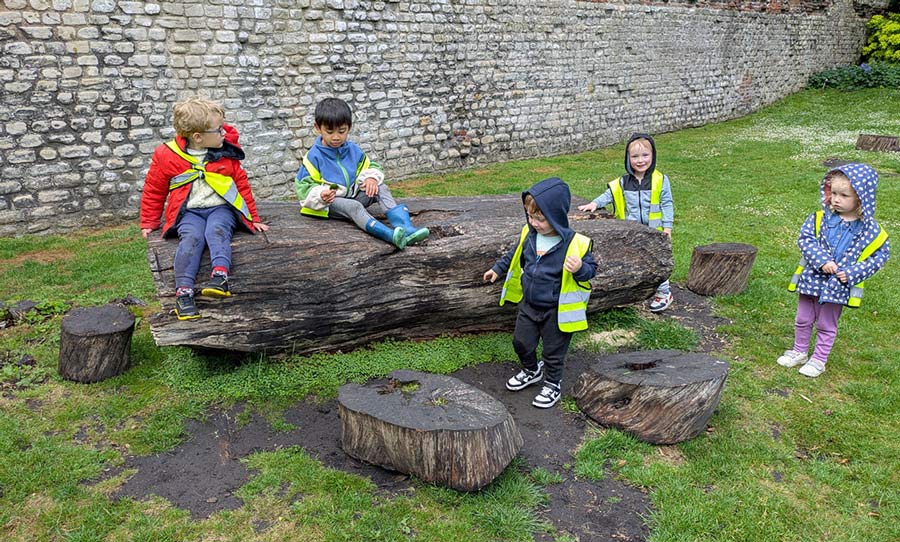
How Outdoor Play Helps Children Learn, Grow and Build Confidence
Outdoor play is one of the most valuable parts of early childhood development. From running, climbing and balancing to imaginative games, nature exploration and group activities, time spent outdoors helps children build confidence, communication skills, independence and physical wellbeing.
At Walmgate Day Nursery in York, outdoor learning forms an important part of our daily routine. It supports our wider EYFS curriculum by giving children meaningful opportunities to learn through play, explore the world around them and develop at their own pace.
Outdoor play supports children’s physical, emotional, social and cognitive development by encouraging active learning, communication, creativity and confidence through hands-on exploration.
The Benefits of Outdoor Play for Young Children
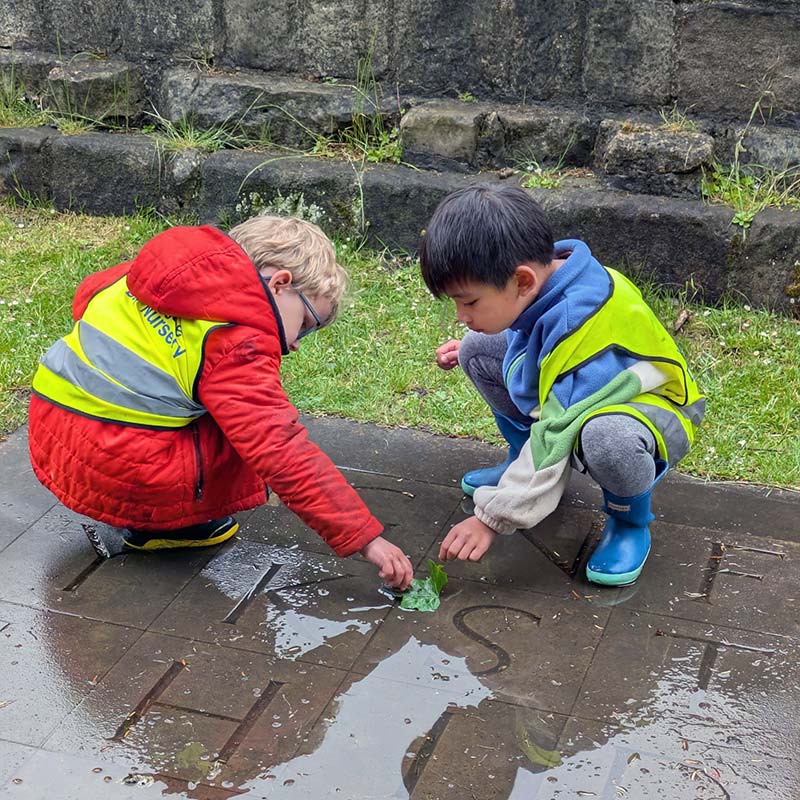
Outdoor environments give children space to move, investigate and make discoveries in ways that are difficult to recreate indoors. Whether a child is collecting leaves, splashing in water, riding a bike or joining in with a group game, they are developing important early years skills through active, hands-on experience.
Outdoor play supports many areas of early years learning and development, including physical development, communication and language, personal confidence, social skills and emotional wellbeing. It also encourages curiosity, creativity and problem-solving as children test ideas, ask questions and explore their surroundings.
For babies, toddlers and preschool children, regular outdoor play can help develop:
- Balance, coordination and movement skills
- Confidence and independence
- Communication and vocabulary
- Social interaction and teamwork
- Problem-solving and decision-making
- Creativity, imagination and curiosity
- Emotional wellbeing and resilience
How Outdoor Play Supports Physical Development
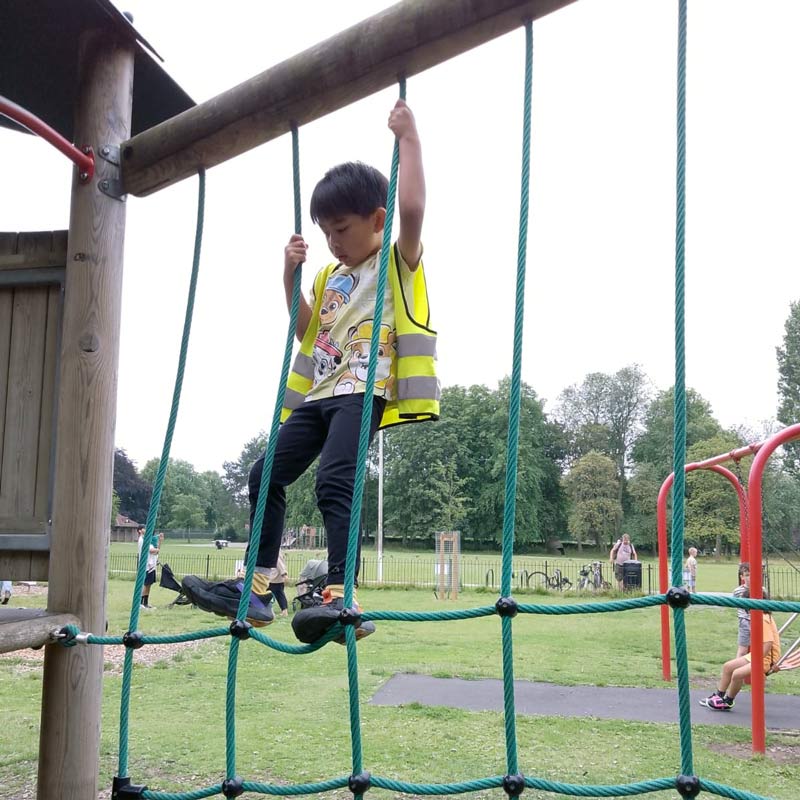
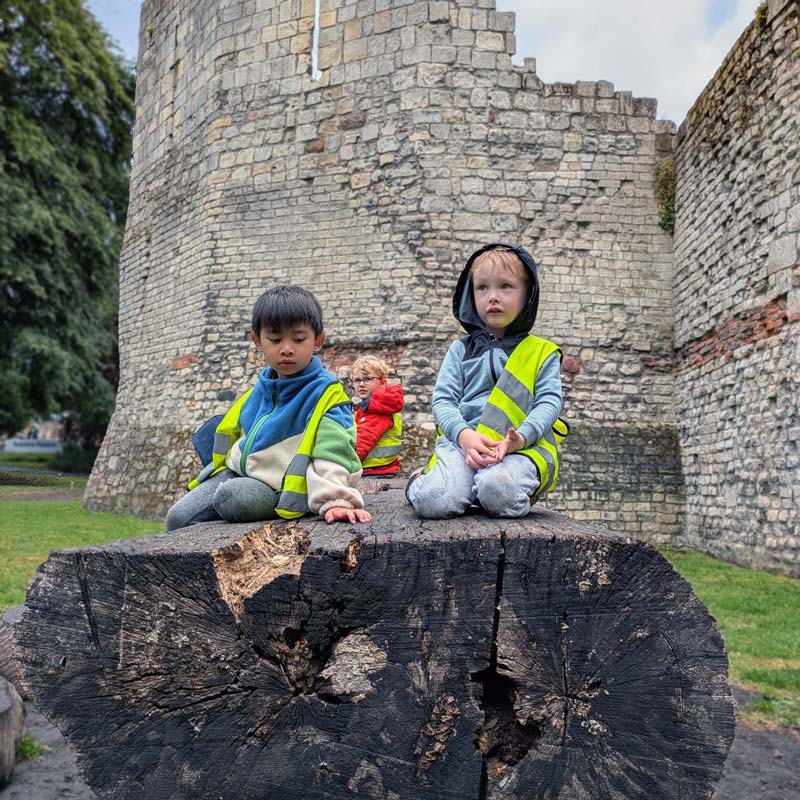
Physical development is a key part of the Early Years Foundation Stage, and outdoor play gives children regular opportunities to strengthen their bodies and develop control over movement. Running, climbing, balancing, jumping and stretching all help children build coordination, strength and spatial awareness.
These active experiences are especially important during the toddler years, when children are rapidly developing balance, confidence and independence. In our Toddler Room, children are encouraged to explore active learning opportunities that support their developing movement skills in a safe and nurturing environment.
Outdoor play also helps children develop healthy habits from an early age. By making movement enjoyable, children begin to see physical activity as a natural and positive part of everyday life.
Outdoor Learning Builds Confidence and Independence
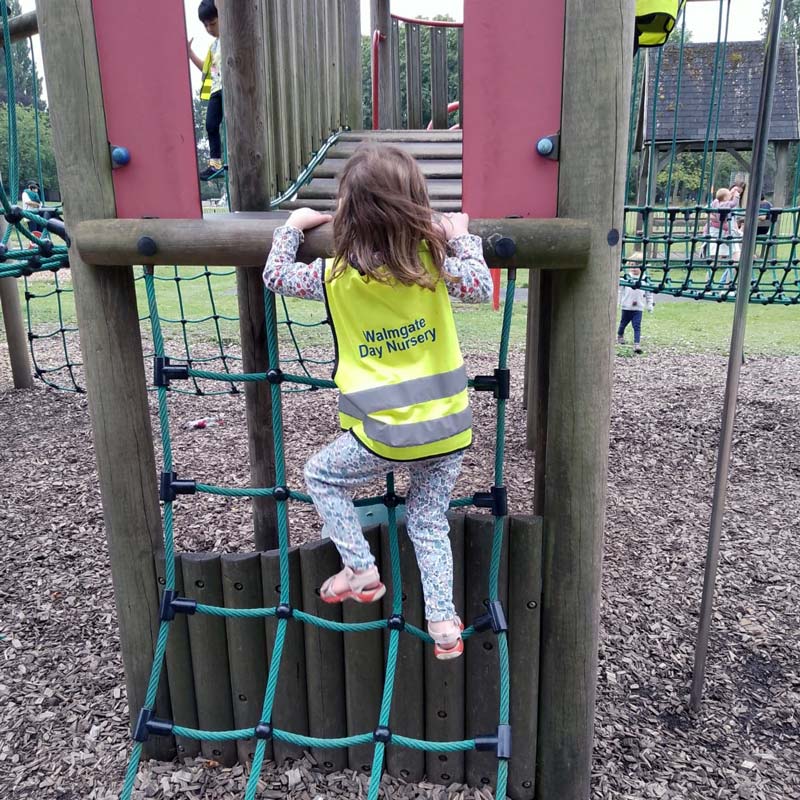
Outdoor spaces naturally encourage children to make choices, take small challenges and try new things. A child may decide how to move across a climbing frame, how to build with natural materials or how to join in with a game. These moments help children develop independence, resilience and self-belief.
This is particularly important when children are building confidence during key transitions, such as starting nursery for the first time. Outdoor play can help children feel more comfortable in their environment because it gives them freedom to explore, connect with others and build trust with familiar adults.
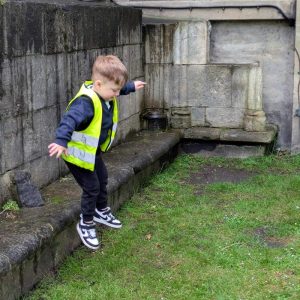
With supportive practitioners nearby, children can take manageable risks safely. This might include balancing, climbing, negotiating space or trying a new physical challenge. These experiences help children learn what they are capable of and develop confidence in their own abilities.
Outdoor Play Encourages Communication and Social Skills
Many outdoor activities naturally involve communication. Children talk about what they can see, explain what they are doing, negotiate roles in imaginative play and work together during group games. These experiences support the communication and language goals within the EYFS framework.
Outdoor play can also support children who are developing early speech and language skills. Natural environments often spark new conversations, from noticing insects and changing weather to describing movement, textures, sounds and colours. Parents can also support this at home with simple ideas from our guide to speech and language tips for toddlers.
Through outdoor play, children learn to share space, listen to others, take turns and express their ideas. These early social skills are an important foundation for friendships, group learning and future school life.
Outdoor Play and School Readiness
Outdoor learning does much more than support physical activity. It also helps children develop the confidence, independence and social awareness they need as they move towards school age.
For preschool children, outdoor play can support important school readiness skills such as following instructions, managing emotions, communicating with others, solving problems and developing independence. These skills help children feel more prepared for the transition into Reception.
In our preschool environment, children are supported to become confident learners through a balance of structured activities, child-led play and practical experiences. You can learn more about this stage of development on our Preschool Room page.
Learning About the World Through Outdoor Exploration
Outdoor play helps children make sense of the world around them. They notice seasonal changes, explore natural materials, observe plants and insects, and develop curiosity about their local environment. These experiences support understanding of the world, one of the key areas of early years learning.
At Walmgate Day Nursery, our central York location gives children opportunities to experience learning beyond the classroom. As part of our approach to childcare in York, we value real-world experiences that help children connect learning with everyday life.
Outdoor exploration encourages children to ask questions, make predictions and develop early problem-solving skills. Whether they are wondering why leaves change colour, how puddles form or how different materials feel, children are building knowledge through curiosity and play.
Outdoor Learning at Walmgate Day Nursery
At Walmgate Day Nursery, we believe children learn best when they feel safe, happy and engaged. Outdoor learning is part of our child-centred approach, giving children regular opportunities to move, explore, imagine and discover.
Our outdoor experiences support the same principles that guide our play-based EYFS curriculum: learning through discovery, following children’s interests and supporting each child’s next steps in development.
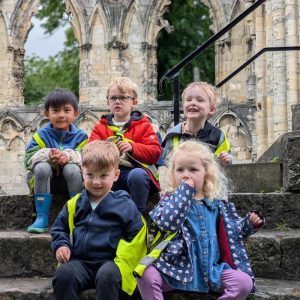
Children may take part in outdoor exploration, physical play, sensory activities, imaginative games, nature-based learning and local walks. These experiences help children build confidence, develop friendships and enjoy the benefits of fresh air and movement as part of nursery life.
If you would like to see our learning environment in person, you can book a nursery visit and explore how we support children from babies through to preschool.




Frequently Asked Questions About Outdoor Play
Outdoor play helps children develop confidence, communication skills, physical coordination and emotional wellbeing through active learning and exploration.
Outdoor play supports children’s physical, social, emotional and cognitive development. It gives children opportunities to move, explore, communicate, solve problems and build confidence through active learning.
Outdoor play supports many areas of the Early Years Foundation Stage, including physical development, communication and language, personal, social and emotional development, and understanding the world.
Yes. Outdoor play encourages children to try new things, make choices, solve problems and take manageable risks in a safe environment. These experiences help build confidence, independence and resilience.
Yes. Outdoor play helps children develop communication, independence, social skills, problem-solving and emotional regulation, all of which support a positive transition to school.
Outdoor play helps toddlers develop balance, coordination, communication skills, confidence and social interaction. It also supports curiosity, creativity and emotional wellbeing through active exploration and learning.
Young children benefit from daily opportunities for outdoor play throughout the year. Regular outdoor activity supports healthy physical development, movement skills and emotional wellbeing.
Learning through play allows children to explore, investigate and practise new skills naturally. Play-based learning helps children develop confidence, communication, creativity and problem-solving abilities while remaining engaged and motivated.
Outdoor play can help children regulate emotions, reduce stress and release energy in a healthy way. Active play and outdoor exploration often support concentration, social interaction and emotional wellbeing.
Yes. Outdoor play is beneficial throughout the year, including during colder months. Seasonal outdoor experiences help children explore different environments, build resilience and continue developing physical skills and confidence.
Children develop physical coordination, balance, communication, confidence, social interaction, creativity and problem-solving skills through outdoor play. Outdoor learning also supports emotional wellbeing and independence.
Helping Children Thrive Through Outdoor Play
Outdoor play is essential for early childhood development because it supports the whole child. It helps children move confidently, communicate with others, explore their environment and develop the independence they need for future learning.
At Walmgate Day Nursery, we provide children with meaningful opportunities to learn, grow and thrive both indoors and outdoors. To find out more about our approach to early years education, arrange a visit to our nursery today.