Understanding the Link Between Modern Nappies and Potty Training
For many parents, potty training can feel like one of the biggest milestones in early childhood. While every child develops at their own pace, many parents wonder why children today often begin toilet training later than previous generations.
There isn’t one simple answer. Readiness, communication skills, confidence, routine and individual development all play an important role.
However, emerging research suggests there may be another piece of the puzzle: the role that highly absorbent disposable nappies can play in reducing a child’s awareness of when they have urinated.
This doesn’t mean disposable nappies are “bad” or that they should be avoided. They are safe, hygienic and incredibly convenient for modern families. But understanding how they work may help explain why some children need a little more support when it’s time to transition out of nappies.
How Do Children Learn to Recognise When They Need the Toilet?
Learning to use the toilet isn’t simply about following instructions, it’s about learning to recognise signals from inside the body.
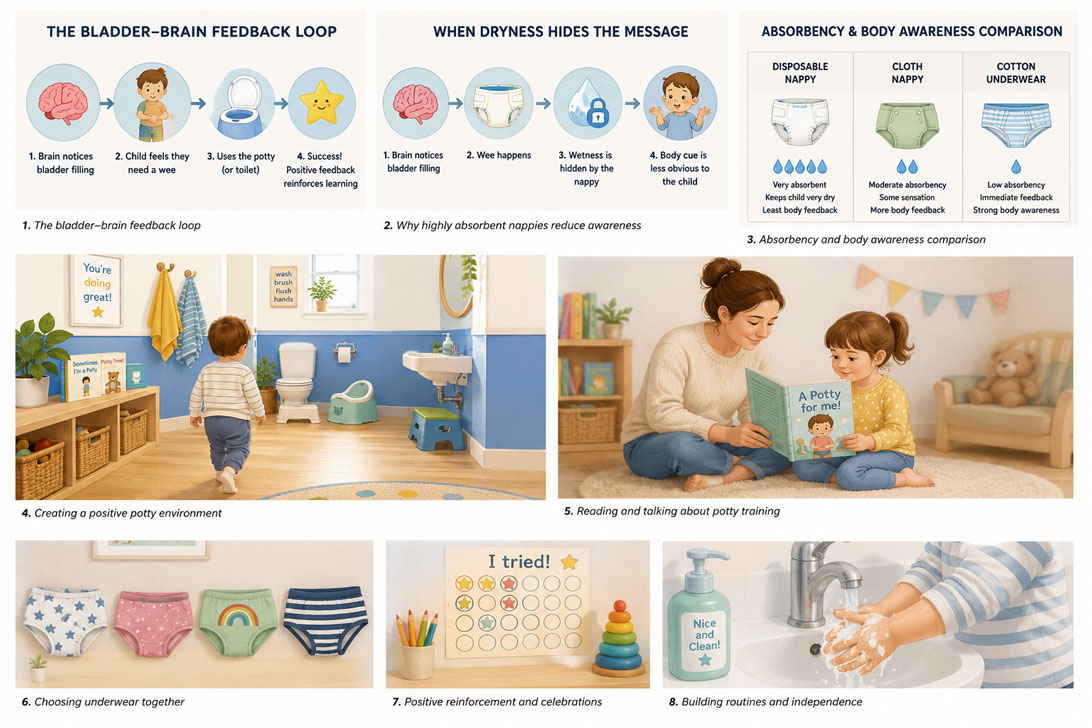
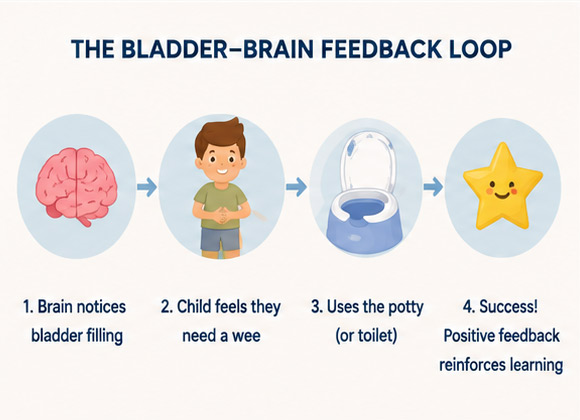
As a child’s bladder fills, nerves send messages to the brain. Eventually, the child urinates, experiences the sensation of being wet, and gradually begins to connect those internal feelings with what has happened.
This process is known as interoception – our ability to notice and understand what’s happening inside our bodies.
Over time, children begin to recognise those signals before they wee rather than afterwards. That’s when successful potty training usually becomes much easier.
Why Are Modern Disposable Nappies Different?
Disposable nappies have changed dramatically over the last few decades.
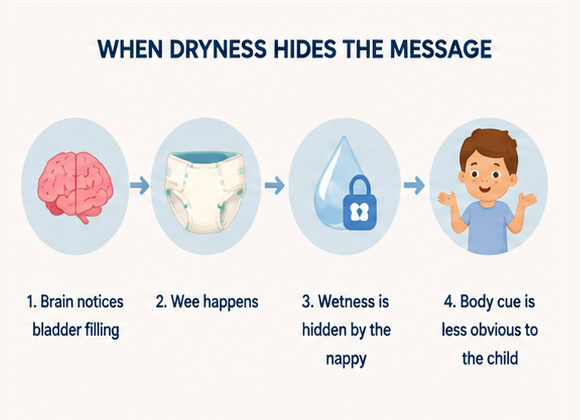
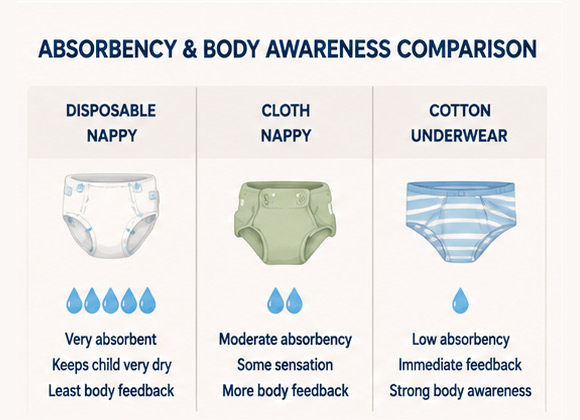
Modern nappies contain highly absorbent polymers that lock moisture away almost instantly, helping babies stay dry, comfortable and protected from skin irritation.
For babies, this is a huge advantage.
For toddlers approaching potty training, however, it also means they often don’t experience the sensation of becoming wet after urinating.
Without that immediate feedback, some children may take longer to associate the feeling of a full bladder with the need to use the toilet.
What Does the Research Say?
Research in this area is still developing, but several studies have identified interesting patterns.
Recent research found that toddlers showed more obvious “elimination signals” (such as pausing play, squatting or touching themselves) when they were not wearing disposable nappies. Researchers suggested that highly absorbent nappies may reduce these visible cues because children remain comfortable after urinating.
Other studies comparing disposable nappies, training pants and ordinary underwear found that children wearing standard cotton underwear often achieved continence more quickly. Feeling dampness immediately appeared to provide valuable sensory feedback that supported learning.
Researchers have also noted that the average age of toilet training has increased over recent decades. While many factors contribute – including changing parenting styles, childcare arrangements and family routines, leading some experts to believe the effectiveness of modern disposable nappies may also play a role.
Importantly, these studies do not suggest that disposable nappies damage nerves or permanently reduce bladder sensation. Rather, they indicate that children may simply receive fewer opportunities to notice the natural connection between needing to wee and actually becoming wet.
Potty Training Is About Much More Than Nappies
Although the type of nappy can influence sensory awareness, it is only one part of successful potty training.
Children also need:
- physical readiness
- emotional confidence
- consistent routines
- opportunities to practise
- encouragement without pressure
- support from both home and nursery.
Every child develops differently, and comparing children of the same age rarely tells the full story.
Some children are ready before their second birthday, while others need considerably more time – and that is perfectly normal.
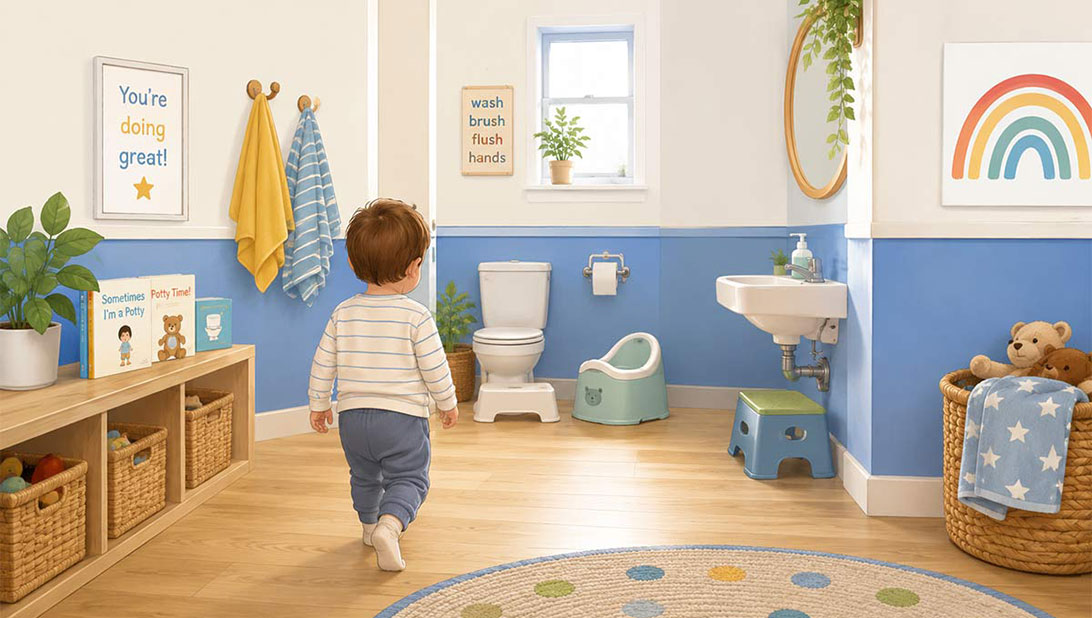
🚽 Practical Ways to Build Your Child’s Bladder Awareness
When you feel your child is showing signs of readiness, there are several gentle ways to encourage body awareness.
1. Allow Regular Nappy-Free Time
Short periods without a nappy can help children notice when they are weeing and begin connecting those internal feelings with what happens next.
2. Switch to Underwear When Potty Training Begins
Once you’ve committed to potty training, ordinary cotton underwear provides immediate feedback if accidents happen. Although this can mean more washing initially, it often helps children recognise bladder signals more quickly than highly absorbent pull-ups.
3. Learn to Recognise Your Child’s Toilet Signals
Every child communicates differently. Some pause during play, become quieter, wriggle, hold themselves or suddenly seek privacy before needing the toilet.
Learning these early signs allows adults to gently prompt children before accidents occur.
4. Expect Accidents as Part of the Learning Process
Accidents are not setbacks – they’re a normal part of learning.
Every accident gives your child another opportunity to understand how their body works.
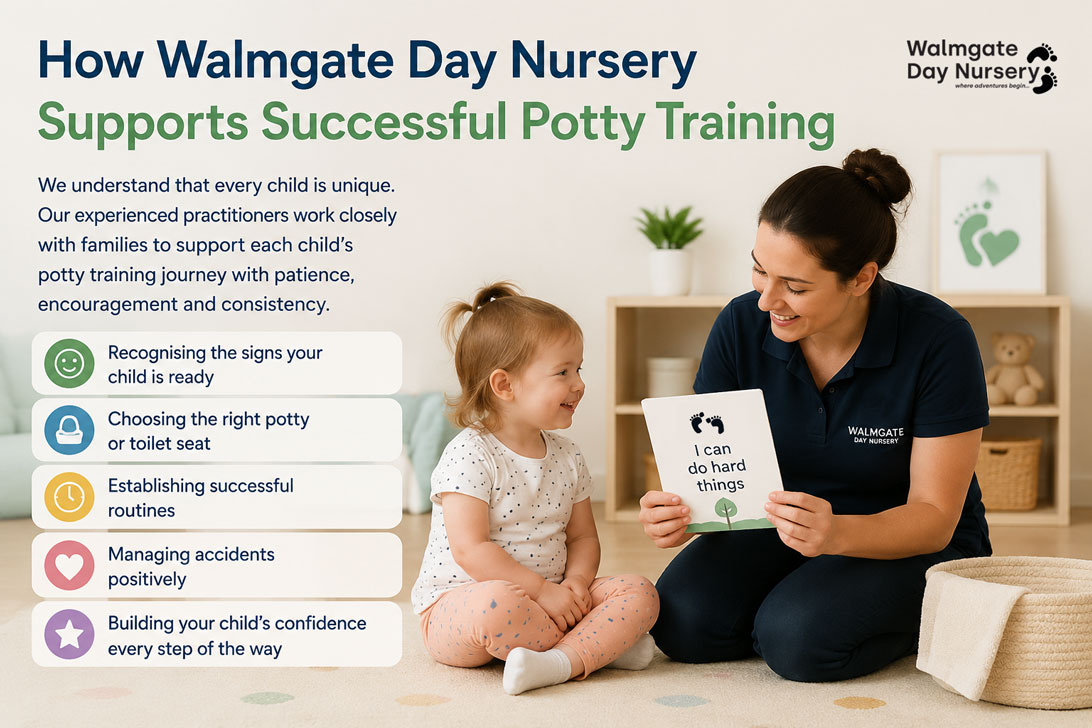
How Walmgate Day Nursery Supports Successful Potty Training
At Walmgate Day Nursery, we understand that every child reaches toilet training readiness at their own pace. While research suggests that highly absorbent disposable nappies may reduce some of the sensory cues children use to recognise when they need the toilet, successful potty training is always about much more than the type of nappy they wear.
Our experienced practitioners work closely with families to recognise each child’s individual signs of readiness, encourage independence, and create consistent routines between nursery and home. Gentle encouragement, positive reinforcement and patience are at the heart of our approach, helping children develop confidence without pressure.
If you’re just beginning your potty training journey, we recommend reading our comprehensive guide to supporting your child through potty training, where you’ll find practical advice on:
- recognising the signs your child is ready
- choosing the right potty or toilet seat
- establishing successful routines
- managing accidents positively
- building your child’s confidence every step of the way
Together, this article and our Supporting Your Child Through Potty Training guide provide everything you need to understand both why potty training can sometimes be delayed and how to help your child succeed with confidence.
Frequently Asked Questions
Not directly. Research suggests that highly absorbent nappies may reduce the sensory feedback children receive after urinating, which can make recognising bladder signals more difficult for some children. However, potty training is influenced by many factors including development, routine and readiness.
Some research suggests that children wearing cloth nappies or ordinary underwear experience more immediate sensory feedback, which may help build bladder awareness. However, successful potty training depends on much more than the type of nappy used.
Pull-ups can be useful for naps, overnight or travel. During active potty training, many families find that switching to ordinary underwear helps children recognise when they have had an accident more quickly.
Rather than focusing on age alone, look for signs of readiness such as staying dry for longer periods, showing interest in the toilet, recognising when they are wet or communicating that they need to go.
If your child is showing signs that they're ready to start potty training, we've created a comprehensive guide packed with practical tips for parents. Our article on supporting your child through potty training covers recognising signs of readiness, establishing routines, choosing the right potty, managing accidents positively and helping your child build confidence throughout their toilet training journey.
Looking Beyond the Nappy
Modern disposable nappies have transformed childcare by keeping babies comfortable, dry and protected. While emerging research suggests that their excellent absorbency may reduce some of the sensory cues involved in toilet learning, they’re only one part of the bigger picture.
Every child develops at their own pace, and successful potty training depends on many factors, including physical readiness, emotional confidence, consistent routines and positive support from the adults around them.
By understanding how children develop bladder awareness and recognising the signs they’re ready, parents and early years practitioners can work together to make potty training a positive and rewarding milestone.