
Supporting Your Child Through Potty Training at Walmgate Day Nursery
Potty training is an exciting step in your child’s journey toward independence. At Walmgate Day Nursery, we understand that every child develops at their own pace, and we’re here to support both children and parents through this important transition. A consistent and positive approach at home and nursery ensures a smoother experience for everyone involved.
Recognising Readiness for Potty Training
Knowing when to start potty training can make a big difference in how smoothly the process goes. It’s important to look for key readiness signs that show your child is beginning to develop the necessary physical and cognitive skills. Some children may take an early interest in bathroom habits, while others might show signs of discomfort when wearing a nappy. By paying attention to these signs, you can introduce potty training at the right time and set your child up for success. These signs include:
- Staying dry for longer periods
- Showing curiosity about bathroom habits
- Expressing discomfort with wet or soiled nappies
- Communicating the need to go
- Attempting to pull pants up or down independently
If your child is displaying some of these behaviours, it may be time to start introducing potty training routines. Alternatively, If you’re wondering why some children seem to develop these awareness cues earlier than others, our guide to why modern disposable nappies may make potty training more difficult explores the latest research into bladder awareness and toilet training.

Establishing Routine & Consistency
Routine and consistency provide children with a sense of security, making the potty training process easier and less stressful. At Walmgate Day Nursery, we encourage structured potty routines to help children understand expectations and develop good habits. By making potty training a predictable part of the day, children feel more confident and in control. Parents can support this by:
- Encouraging regular potty visits, particularly after meals and before naps
- Using a potty training schedule to reinforce timing
- Dressing children in easy-to-remove clothing
- Using familiar language when talking about toilet habits
Maintaining a consistent routine at home and in nursery settings helps reinforce learning and builds confidence in children as they navigate this new skill.
The Power of Positive Reinforcement
Encouragement and praise play a vital role in helping children feel motivated during potty training. Instead of focusing on mistakes, it’s important to celebrate small achievements, such as sitting on the potty or trying to use it independently. At Walmgate Day Nursery, we prioritise positive reinforcement to build children’s confidence and make the experience enjoyable. Parents can also adopt these methods at home by:
- Offering verbal praise when they try to use the potty
- Using reward charts or stickers for encouragement
- Reassuring children when accidents happen, reinforcing that it’s part of the learning process
When children feel supported and encouraged, they are more likely to develop positive associations with using the potty.
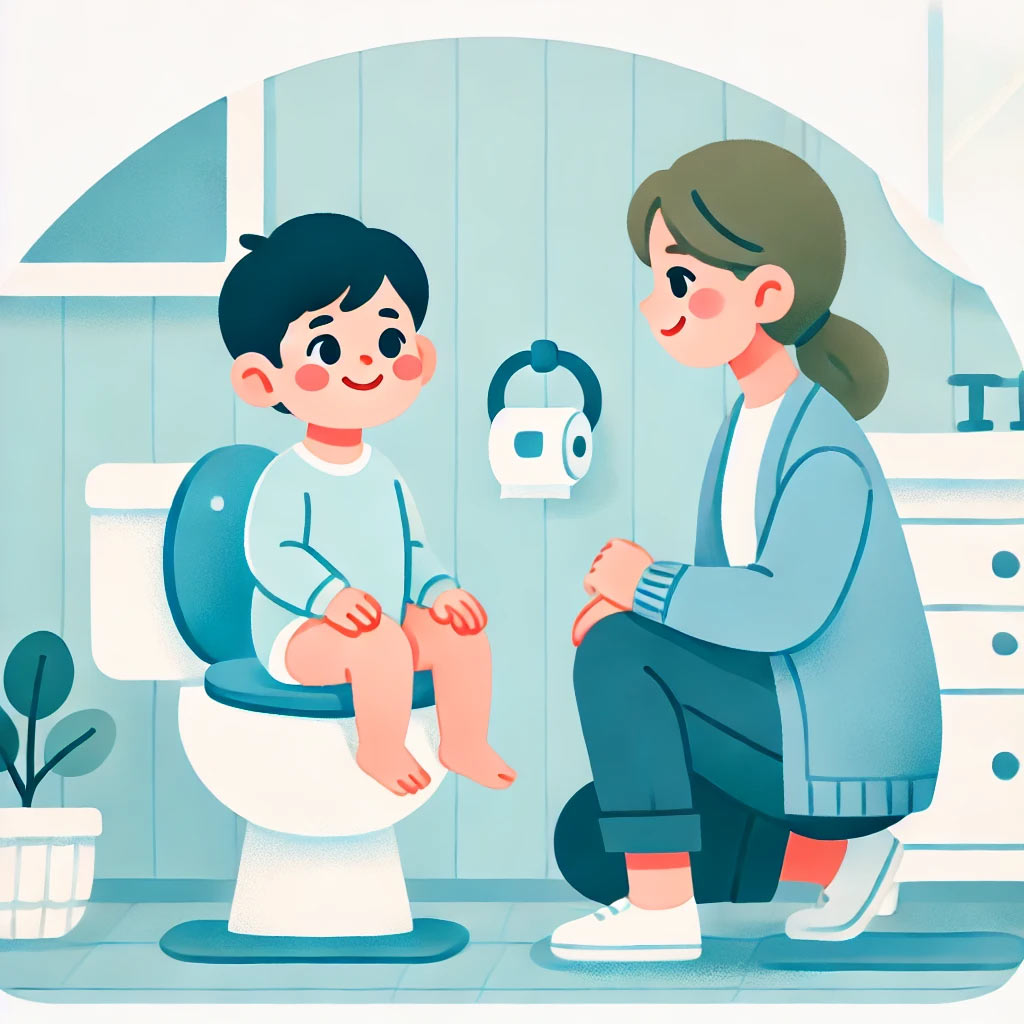
Working Together: The Parent-Nursery Partnership
A strong partnership between parents and nursery staff ensures that children receive a consistent approach to potty training. We understand that each child is unique, and collaboration between home and nursery can help create a more seamless experience. Open communication and shared strategies make it easier for children to adjust to this transition. To support a unified approach, we encourage parents to:
- Share your child’s progress and any challenges with nursery staff
- Use the same language and encouragement techniques at home
- Provide spare clothes in case of accidents at nursery
- Encourage your child’s independence by allowing them to try using the potty in different environments
By working together, we can create a supportive and positive potty training journey for your child.
While successful potty training depends on many factors, emerging research suggests that highly absorbent disposable nappies may reduce some of the sensory feedback children use to recognise when they need the toilet.
Learn what current research says about bladder awareness, disposable nappies and toilet training, and discover practical ways to support your child with confidence: 🔗 Can Modern Disposable Nappies Make Potty Training More Difficult?
Useful Resources for Parents
For additional guidance and expert advice, check out these trusted resources:
At Walmgate Day Nursery, we are committed to making potty training a positive and stress-free experience for every child. If you have any questions or need personalised support, please speak to a member of our team. Together, we can help your child gain confidence and independence in their toilet training journey.
Potty Training FAQ’s
Most children are ready to start potty training between 18 months and 3 years old. Every child develops at their own pace, so it’s best to look for signs of readiness rather than focusing on age alone.
Readiness signs include:
- staying dry for at least two hours
- showing awareness of a wet or dirty nappy
- telling you when they need to go, or hiding to wee/poo
- being able to sit on and get up from a potty or toilet
- following simple instructions
If several of these signs are present, your child may be ready to start.
On average, potty training can take a few weeks to several months. Daytime control often comes first, while night-time dryness usually takes longer. Patience and consistency are key.
Accidents are a normal part of learning. Stay calm, clean up without fuss, and gently remind your child to use the potty next time. Praise successes, and avoid punishment, which can make children anxious.
Nurseries work with parents to keep routines consistent. Staff can:
- take children to the potty at regular times
- offer gentle reminders and encouragement
- celebrate progress with positive reinforcement
- communicate with parents about successes or challenges
Working together helps children feel secure and speeds up the process.
Research suggests that highly absorbent disposable nappies may reduce some of the wetness cues children use to develop bladder awareness. While nappies are only one factor in successful potty training, understanding how they influence body awareness may help some families support the transition more effectively. Read our article on Can Modern Disposable Nappies Make Potty Training More Difficult?